 A&M Sealcoating
A Simple Breakdown of the Repair Process From Start to Finish
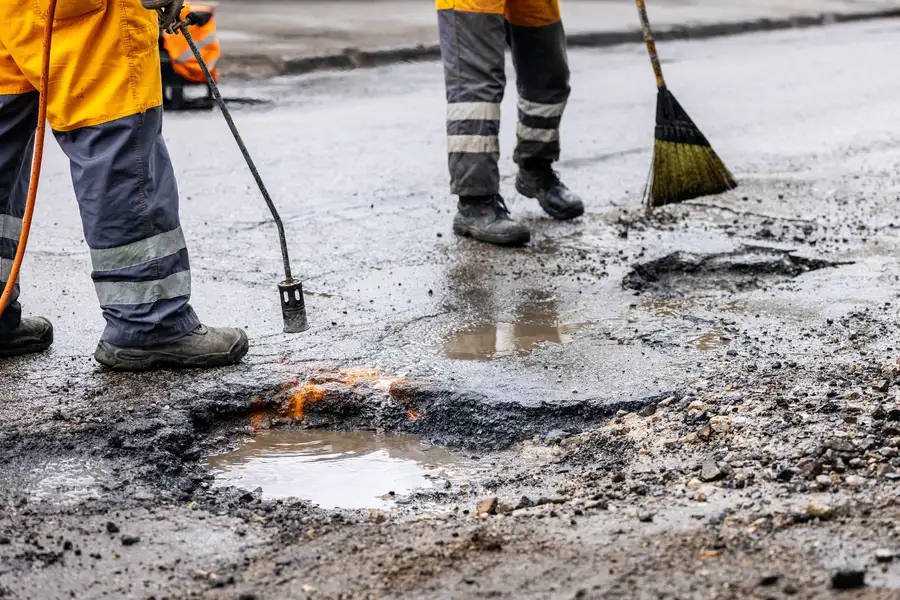
If you are planning professional pothole repair, you can expect a clear inspection, proper cleaning of the damaged area, careful filling with strong asphalt, and compaction to create a smooth, level surface. The goal is to stop the hole from spreading and restore safe pavement for vehicles and pedestrians.
Quick Answer: How Professional Pothole Repair Works
Potholes form when water seeps into cracks, weakens the base, and traffic breaks the surface apart. A professional fix does more than just pour material into the hole. It removes loose debris, repairs the base if needed, installs fresh asphalt, and compacts it tightly. This method helps the repair last longer, especially in busy parking lots and driveways.
What You Need Before the Crew Arrives
Before pothole repair starts, the area should be easy to access. Vehicles need to be moved, and the work space should be clear. If the damage is in a parking lot, cones or signs may be set up to direct traffic safely.
It also helps to know:
- How long the pothole has been there
- If it fills with water after rain
- If heavy trucks drive over that area often
- Whether nearby cracks are spreading
This information helps the contractor choose the best repair method for your pavement.
Step-by-Step Process During Pothole Repair
Here is what usually happens during professional pothole repair:
- Inspection of the damaged area and surrounding pavement
- Removal of loose asphalt and debris
- Cutting clean edges around the pothole for a solid bond
- Checking and stabilizing the base layer
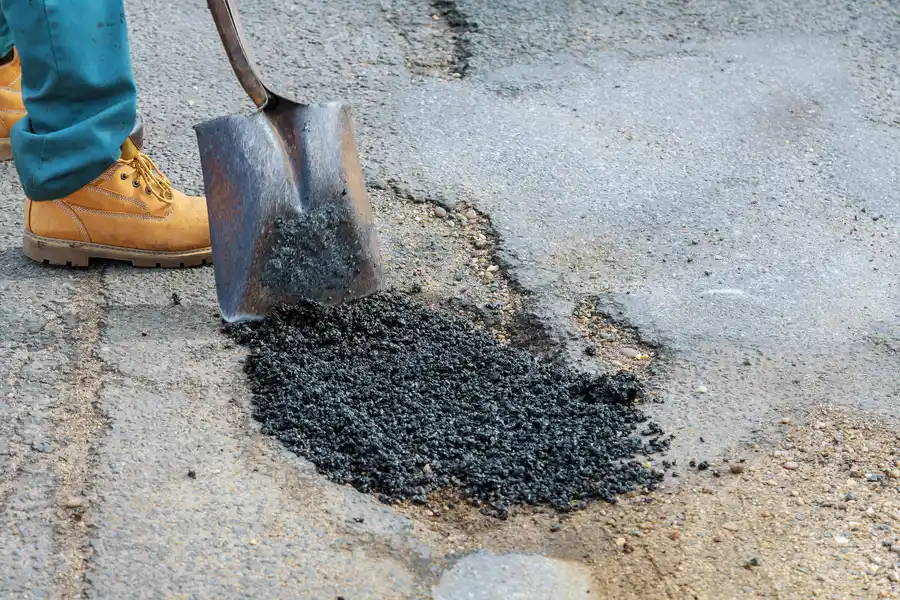
- Applying hot or cold asphalt mix
- Compacting the new material with heavy equipment
- Smoothing and blending the patch with the surrounding surface
Each step matters. If the base is not stable or the asphalt is not compacted well, the pothole can return quickly. A solid compaction helps the patch handle daily traffic and weather changes.
Common Mistakes to Avoid
Many property owners try to fix potholes on their own with bagged patch material. While this can work short term, there are common mistakes that reduce how long the repair lasts.
- Skipping proper cleaning of the hole
- Filling without repairing a weak base
- Not compacting the asphalt tightly enough
- Ignoring nearby cracks that allow water in
These shortcuts often lead to the pothole reopening within weeks or months. Professional pothole repair addresses both the surface and the layers beneath it, which improves durability.
When to Call a Professional
Small surface dips may not seem urgent, but deeper potholes can cause serious issues. You should call for pothole repair if:
- The hole is deeper than two inches
- Water sits inside after rain
- Cars are swerving to avoid it
- You notice damage to tires or complaints from customers
Large potholes can lead to liability concerns on commercial properties. Repairing them quickly protects both vehicles and people.
It is also smart to seek help if multiple potholes are appearing. This could point to base failure or drainage problems. In that case, simple patching may not be enough. Within the broader scope of , a professional can evaluate if a larger asphalt restoration is needed.
What Happens After the Repair Is Done
Once the patch is compacted, it usually cools and hardens quickly. In many cases, the area can handle light traffic the same day. For heavy traffic areas, you may be advised to wait a short period.
The repaired surface should look level with the surrounding pavement. You may see a slight color difference at first, but this often blends over time as the asphalt weathers.
Routine maintenance like sealcoating and crack filling can help extend the life of the repair. Keeping water out is one of the best ways to prevent new potholes from forming.
Need Professional Help With Your Pavement?
If you are dealing with damaged pavement in Somerset, MA, I can inspect the area and explain the best repair approach for your property. At A&M Sealcoating, I focus on long-lasting pothole repair that holds up to daily traffic and weather. Call me at (774) 365-2493 to schedule an evaluation or ask questions about your pavement concerns. I will walk you through the process and help you decide on the right solution for your space.