 A&M Sealcoating
A Simple Shield That Blocks Water, Sun, and Temperature Swings
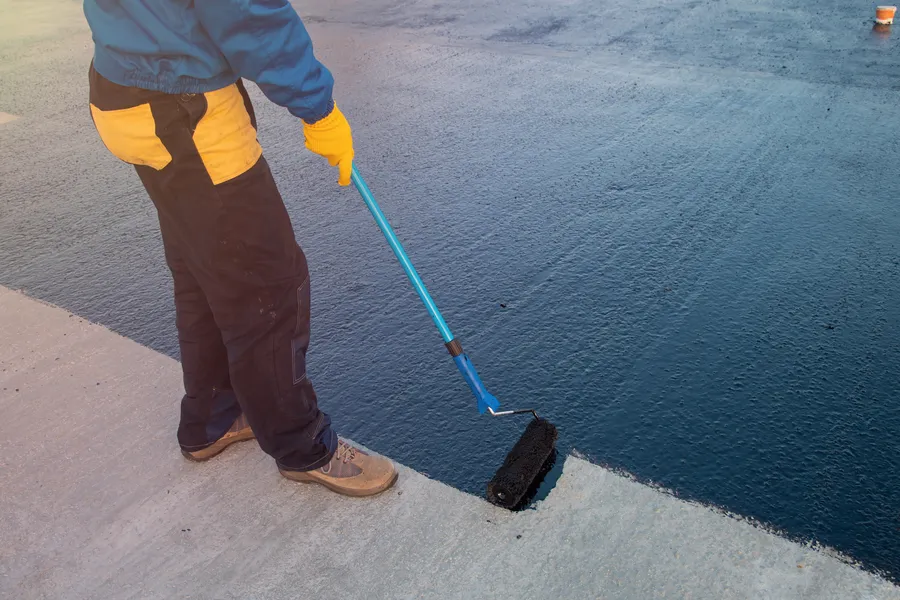
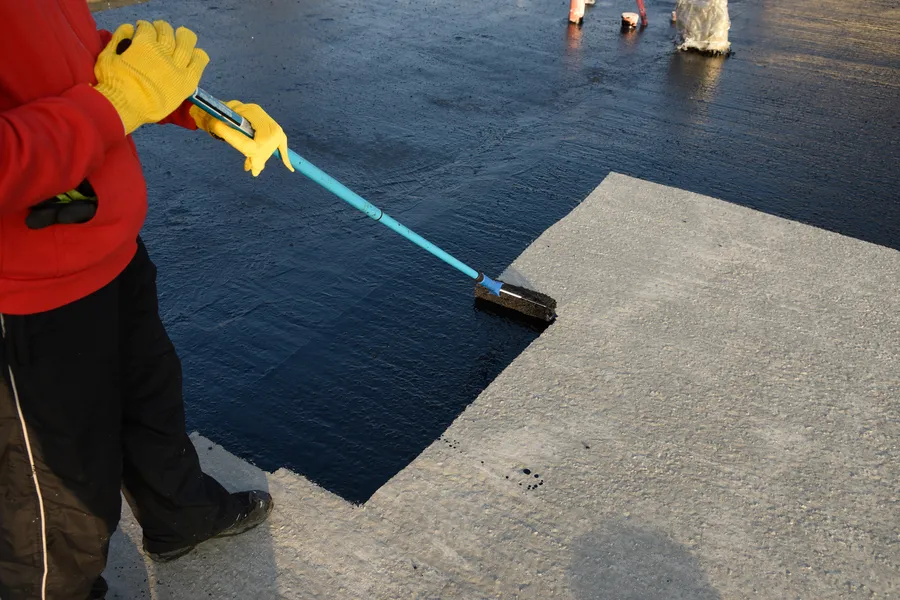
how sealcoating protects against weather damage comes down to one main idea: it creates a protective layer over your asphalt. That thin layer blocks water, slows down sun damage, and helps your surface handle hot and cold weather. Without it, rain, snow, ice, and UV rays break down the asphalt binder and cause cracks, holes, and fading.
Why Prevention Matters for Your Asphalt
Asphalt may look tough, but weather wears it down fast. In hot months, the sun dries out the surface. In cold months, water seeps into small cracks. When that water freezes, it expands. This pushes the pavement apart from the inside.
driveway sealcoating acts like sunscreen and a raincoat at the same time. It helps your pavement last longer and look darker and cleaner. This is part of smart asphalt maintenance. When you protect the surface early, you lower the risk of costly repairs later.
Early Warning Signs of Weather Damage
Weather damage does not happen overnight. It starts small. If you know what to look for, you can act before things get worse.
- Faded gray color instead of deep black
- Small hairline cracks
- Rough or dry texture on the surface
- Tiny holes forming in low spots
- Water sitting on the surface after rain
If you see these signs, your pavement is already feeling the effects of sun and moisture. Sealcoating at this stage can slow down further damage.
Seasonal Checklist to Fight Weather Damage
Different seasons bring different problems. A simple yearly plan keeps your driveway in better shape.
- In spring, check for new cracks after winter freeze.
- Clean off dirt, leaves, and oil stains.
- Fill visible cracks before they spread.
- Schedule driveway sealcoating during warm, dry days.
- In fall, clear debris again and check drainage.
Sealcoating works best when temperatures stay above 50 degrees and rain is not expected. Planning around the weather gives the coating time to cure the right way.
Best Practices for Long-Term Results
Sealcoating is not a one-time fix. It works best as part of a routine care plan. Most residential driveways need a fresh coat every two to three years. This depends on traffic, sun exposure, and local climate.
Good drainage is also key. Water should flow away from the surface, not sit on it. Keep edges trimmed and clean. Vehicle fluids should be cleaned up quickly. Gas and oil can soften asphalt and weaken the surface layer.
When done at the right time, driveway sealcoating forms a tight barrier. That barrier reduces oxidation from the sun and blocks water from sinking into small pores. Over time, this slows cracking and keeps the base layer stronger.
What Not to Do
Some homeowners try quick fixes that cause bigger problems later.
- Do not seal over large cracks without filling them first.
- Do not apply sealer right before rain.
- Do not skip cleaning the surface.
- Do not wait until deep cracks and potholes appear.
Applying sealcoat over serious structural damage will not solve the problem. Large cracks or base failure may need patching or resurfacing before sealcoating is applied.
When to Schedule Professional Help
If your driveway has widespread cracking, soft spots, or pooling water, it may need more than a simple coat of sealer. A professional can inspect the surface and decide if repairs should come first.
For most homes, routine driveway sealcoating every few years keeps weather damage under control. Acting early saves money and stress. It also improves curb appeal and protects your property’s value over time.
Get Local Help for Long-Lasting Protection
If you are in Somerset, MA and want to protect your asphalt from harsh sun, heavy rain, or freezing winter weather, I can help. At A&M Sealcoating, I focus on careful prep and clean application so your driveway gets full protection. Call (774) 365-2493 to speak with me directly and schedule a time that works for you.